Stem cells are often referred to as the body’s natural repair system. Found in various tissues, these undifferentiated cells have the unique ability to become specialized cells such as muscle, nerve, or cartilage. More importantly, they can replicate and regenerate damaged tissues, making them a cornerstone of regenerative medicine.
There are several types of stem cells, but mesenchymal stem cells (MSCs), typically derived from bone marrow or adipose (fat) tissue, are most commonly used in clinical regenerative therapies. These cells secrete growth factors, modulate immune responses, and help rebuild tissue at the site of injury.
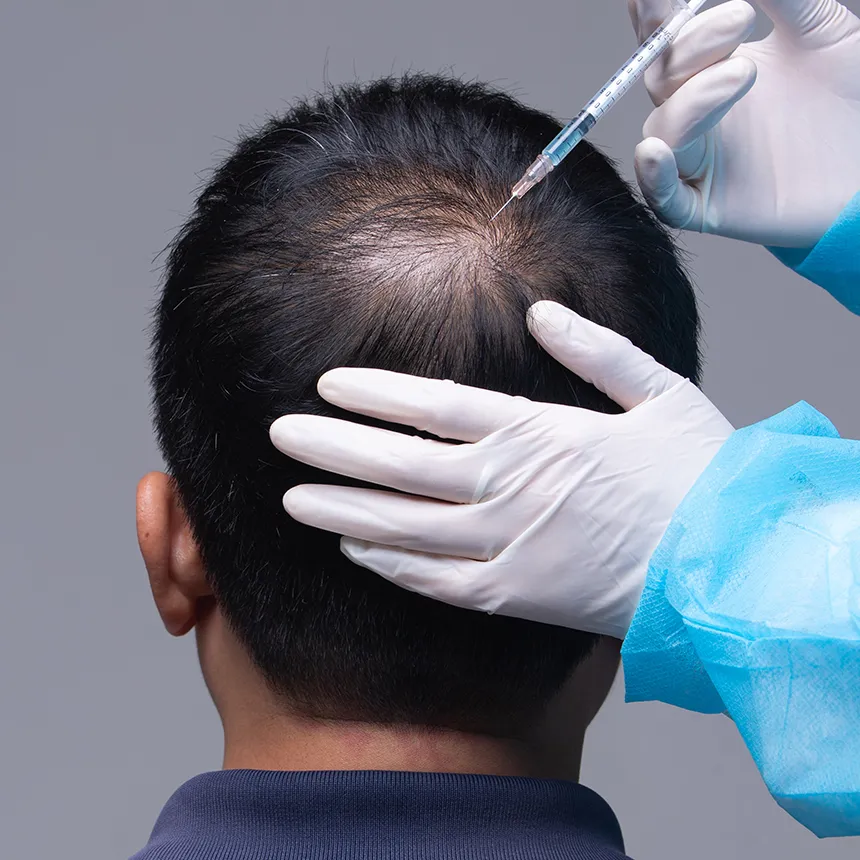
Conditions such as osteoarthritis, tendon injuries, degenerative disc disease, and certain autoimmune disorders respond well to stem cell-based interventions. The procedure is minimally invasive, often involving image-guided injections of processed stem cells into the affected area.
Compared to conventional surgery, stem cell therapy offers quicker recovery, less risk of infection, and no need for general anesthesia. Moreover, it addresses the root cause rather than just managing symptoms, promoting structural repair and functional recovery.
As research expands, stem cell applications continue to grow in areas like cardiology, neurology, and even aesthetics. At Indriya Biomedics, stem cell therapy is tailored to individual patient needs, offering a personalized pathway to healing.